I was the dumbest guy in the room [WRAP 211]
|
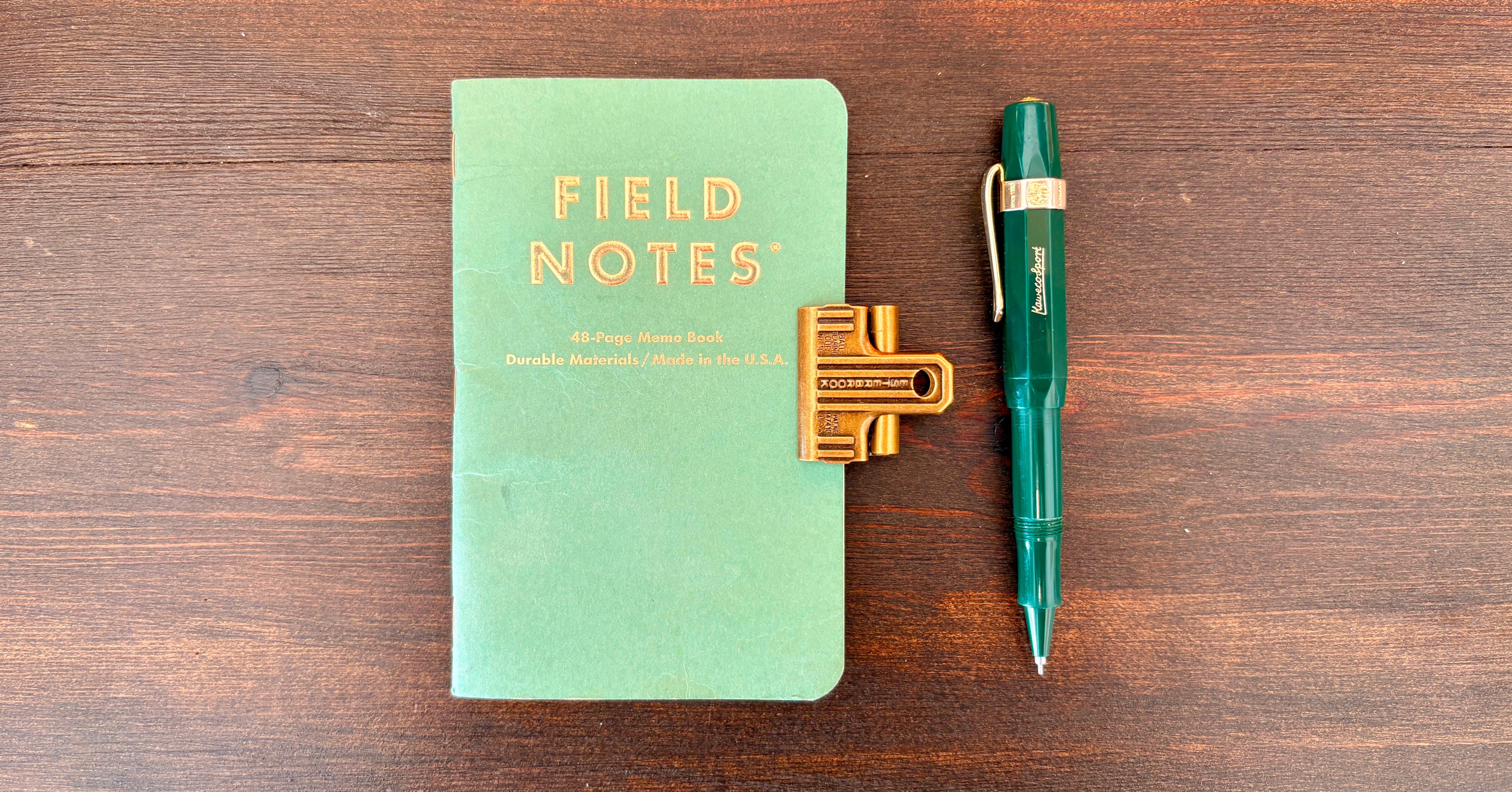
Hey Reader, I just got back from two days at Michael Hyatt’s AI Business Lab Mastermind, and I want to share what’s been rattling around in my head since I left. It’s a pretty nerdy room: founders, brands, and solopreneurs running 7-8 figure businesses, all comparing notes on how they’re actually using AI day to day. And the conversation that surprised me most wasn’t about prompts or tools. It was about what I shared in last week’s WRAP. I told the group what I’d written about: that if AI helps us work faster, maybe the best use of that speed isn’t to do more work. It’s to do more human things. And almost everyone in the room nodded. A few of them said some version of, “Yeah, but I’m just folding the saved time back into more output.” Which is the trap, right? You buy yourself two hours, and you spend it staring at the same screen. Or we spend even MORE time working because we’re enchanted by what’s possible now. But before we get into the rest of it, a quick reminder I’m running a 3-week pilot cohort in May called Claude for Creators. It’s the first time I’m teaching the AI system I use to run my business — context docs, projects, content workflows, and custom skills. Limited to 10 people, mostly because I want to give real feedback on every setup. If you’ve been wanting to learn this with me, just reply with the word CLAUDE and I’ll send the details. 💡 One Big Idea: AI Doesn’t Just Save You Time. It Scales You.The most useful thing I heard all weekend came from Amy Porterfield. She’s been using AI to create custom client reviews for people interested in joining her coaching program. The pitch from most people would be the obvious one: Look how much time I’m saving. And yeah, she’s saving a lot of time because these reviews used to take her hours and now they take minutes. But that’s not what made me interested in what she had to say. What made me interested was the second thing she said. The reason this works isn’t the time savings. It’s that AI is helping her scale her own process—her standards, voice, and way of evaluating a potential client—so that her team can run without her being involved in every decision. The AI isn’t replacing Amy, but it’s making sure that every client review carries Amy’s judgment—even when she is on a plane, on stage, or spending time with her family. That distinction changes everything. If you’re leading a team, a classroom, a church, or a nonprofit, this is a change that could be the pivot point for everything you do. AI isn’t just a way to save time, it’s a way to standardize the things that already work about how you do business and make them repeatable. Your communication, the client experience, and how you hand off a project. The questions you ask before you say yes to a new opportunity. You’ve already built the system in your head. You just haven’t written it down. AI gives you a reason to finally do that, and then it’ll run the system for you—on brand, every single time. A couple of other things came up that I want to pass along, because they’ll save you some pain: The context window is real, and most people don’t know about itIf you have a long, sprawling chat with Claude or ChatGPT and you start noticing it forgetting what you talked about an hour ago, that’s not a bug. The model can only “see” so much of a conversation at once, and the longer your chat goes, the more the early stuff falls off the back. The fix is to use Claude Projects. Create a project for a specific area of your work—your newsletter, launch, or client onboarding—and keep each chat tight and focused. The context stays clean and the AI keeps doing its best work instead of slowly losing the plot. Save your skills outside of ClaudeA lot of the room was excited about Claude Skills: they’re basically standard operating procedures the AI follows so you don’t have to retype your preferences every time. But there was another important distinction: if you build a great skill and it only lives inside one tool, you’re running the risk of losing. Keep a copy on your computer, or Notion, Obsidian, or Google Drive—somewhere that isn’t the AI itself. Treat your skills like the IP they are. The big takeaway from the weekend wasn’t that these people are using AI more aggressively than the rest of us. It’s that they’re using it more intentionally. They’re not chasing speed, but leverage—making their team more effective, keeping their brand consistent, and giving the founder more time to do the things only the founder can do. That last part is the whole point. AI isn’t here so you can become a better machine. It’s here so your business can run more like you, in more places, more of the time. 📹 Video to Watch: It Only Takes Two WeeksSpeaking of feeling behind... this video is technically about getting better at math, but stick with me. I watched it the day after I got home from the mastermind, sitting in a room with Amy and Rory and a dozen other people sharing what they’re doing with AI, and the whole time I was thinking, I am so far behind. Then I watched this and realized I’m really only a handful of weeks behind any of it. The question is just how much you want to lock in. If you feel like you’re “so far behind”, reply to this email and let’s talk about Claude for Creators. It’s just five classes, real work, and you’ll walk out with a system you didn’t think was possible right now. 📰 Article to Read: 9 Things to Write in A Pocket Notebook Every DayA lot of you found me through notebook stuff—bullet journals, journal prompts, the analog side of the work. So I knew you’d like this one. My brother Mark put together a list of nine things to write in a pocket notebook every day, and if you’ve struggled to keep a journaling habit before, pick two or three off this list and just put pen to paper for a week. That’s the whole game.
Thanks for reading the WRAP. If you’re interested in joining me in the first cohort of Claude for Creators, reply to this email with CLAUDE and I’ll send you more details. Spots are being snapped up already, and I’m limiting this first group to 10 so I can work with you all individually. Talk soon, Matt Ragland P.S. If you’re on the fence about the May cohort, the easiest test is this: think about the one workflow in your business you’ve explained out loud at least three times this year. That’s the one we’ll teach the AI to run for you. Reply CLAUDE and I’ll send details. |